
September 7, 2026
How Long Does a Roof Replacement Take in North Texas?
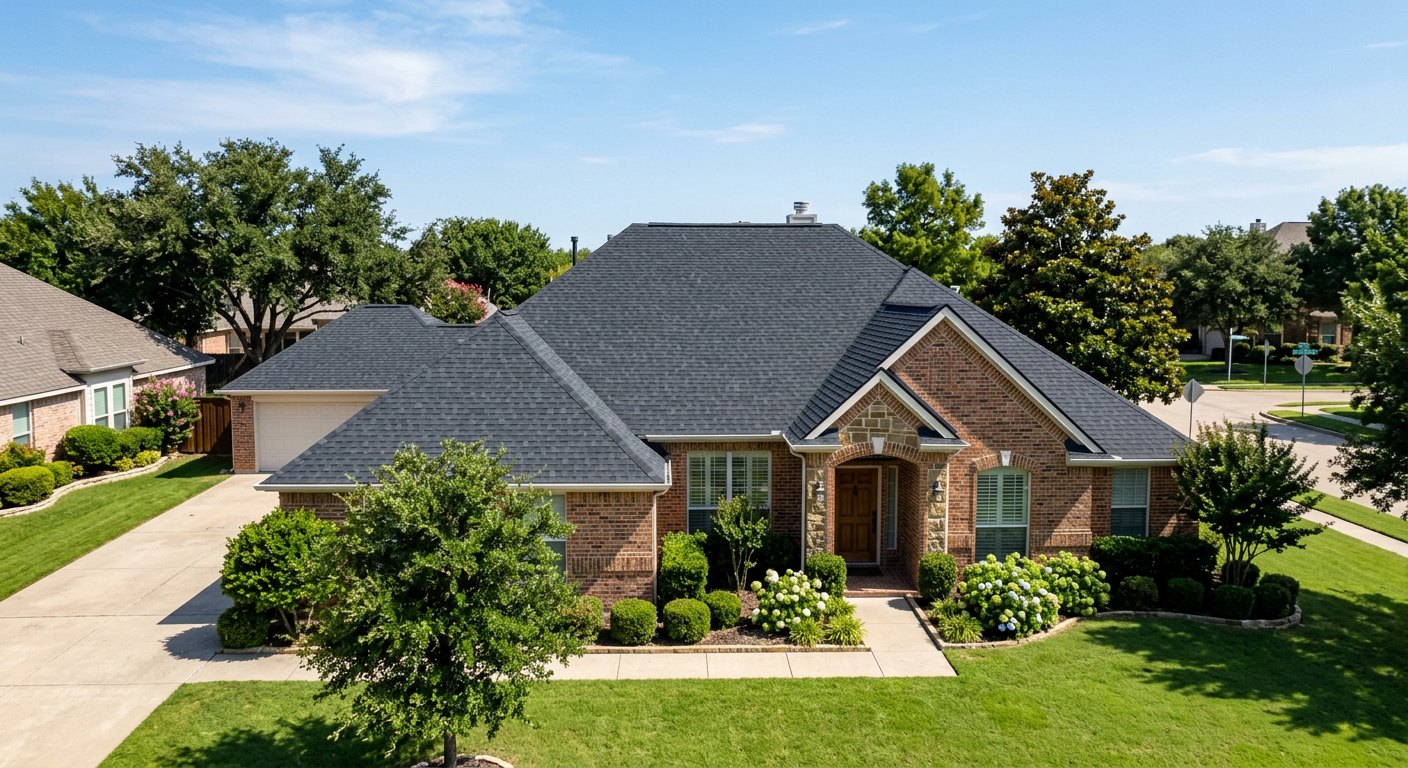
A standard roof replacement in North Texas typically takes one to two days to complete for an average-sized residential home. While larger properties or complex designs involving premium materials may require three to four days, the vast majority of asphalt shingle projects are finished between sunrise and sunset. Weather conditions, roof pitch, and the total square footage are the primary factors that dictate the final timeline.
Key Takeaways
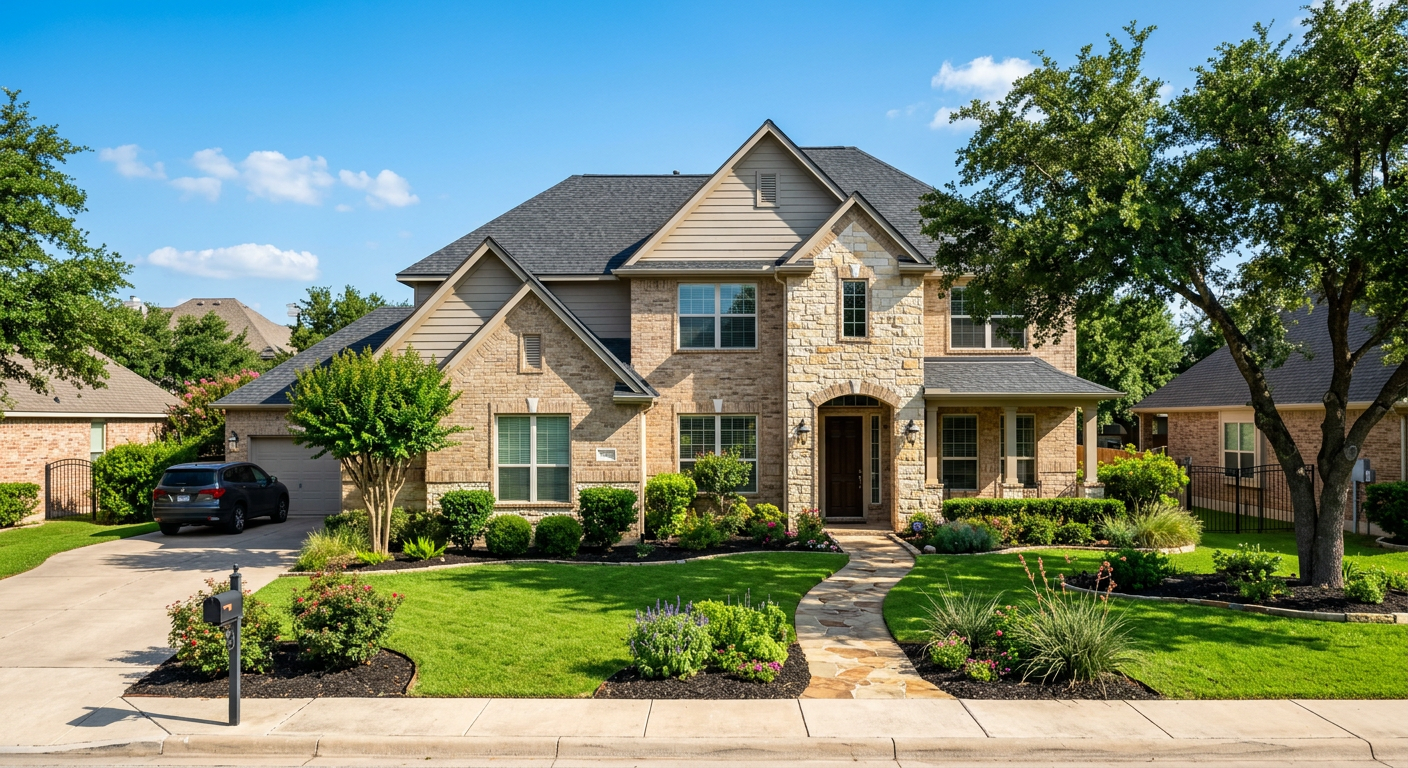
- Most residential roof replacements in North Dallas are completed in a single day.
- Weather delays, particularly during the spring storm season, are the most common cause of timeline shifts.
- Premium materials like stone-coated steel or designer shingles require specialized labor that can extend the project to three days.
- Proper attic protection and lawn preparation should happen the day before the crew arrives.
Factors That Influence the Replacement Timeline
The duration of your project depends heavily on the specific characteristics of your home. A simple gable roof on a ranch-style house in Farmersville will always be faster to replace than a multi-story Tudor with complex valleys and steep pitches. Flying Cow Roofing recommends that homeowners walk their property with an inspector to identify "slow zones" like chimneys or skylights that require extra flashing work.
Roof Size and Complexity
The total "squares" (100-square-foot sections) of your roof is the most basic metric for time. A 1,500-square-foot roof is often a one-day job, while a 4,000-square-foot roof naturally takes longer. Complexity refers to the number of facets, valleys, and hips.
| Feature | Impact on Timeline | Typical Delay |
|---|---|---|
| Steep Pitch | High | 4-6 hours |
| Multiple Chimneys | Medium | 2 hours each |
| Skylight Replacement | Medium | 1.5 hours each |
| Two-Story Height | High | 3-5 hours |
Weather and Regional Climate
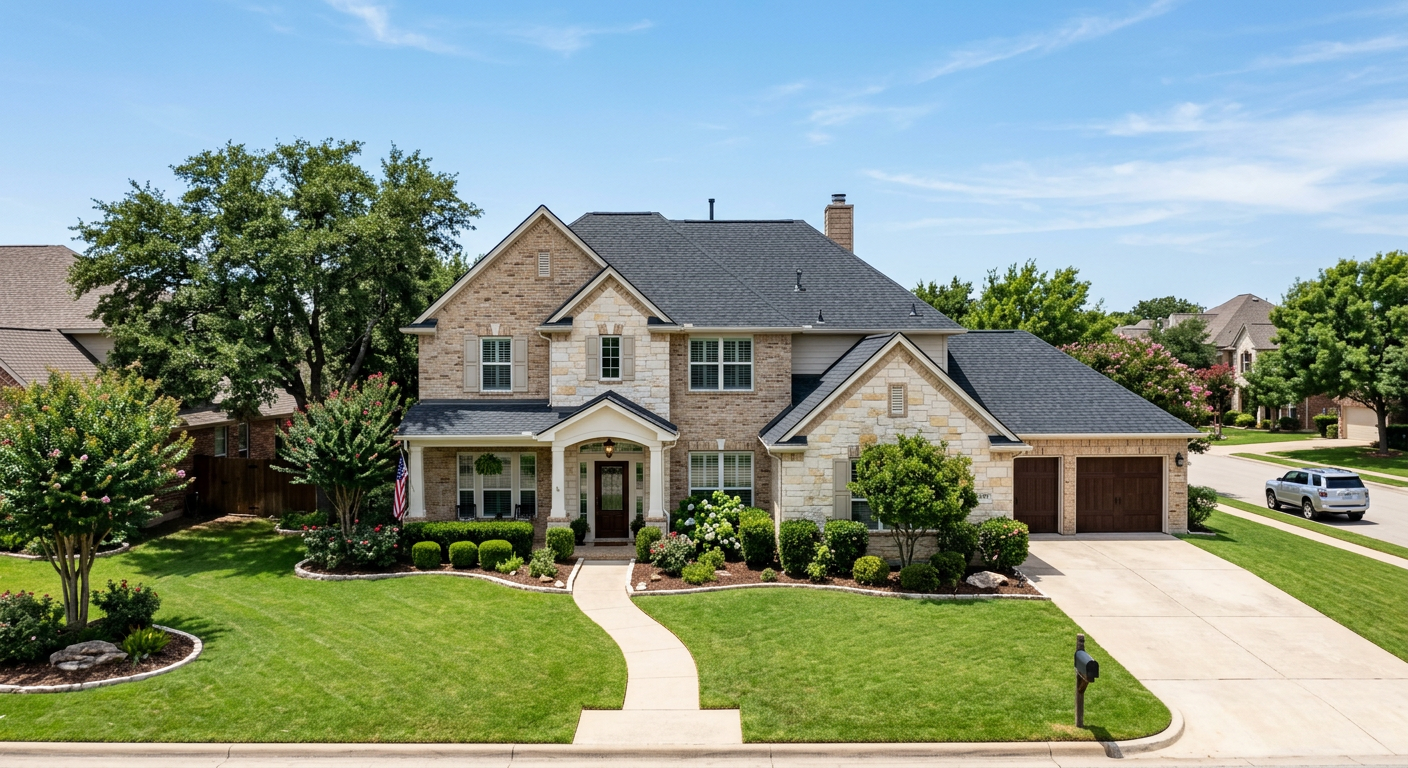
In North Texas, we face extreme heat and sudden thunderstorms. High winds or rain will immediately halt a project for safety and to prevent water intrusion into the exposed decking. Per the National Weather Service (NOAA) storm records, North Texas experiences peak severe weather from March through June, which is when most scheduling shifts occur.
Material Selection
The type of shingle you choose changes the installation speed. Standard architectural shingles go down quickly because they are familiar to most crews. However, if you upgrade to premium materials like CertainTeed Belmont, the weight and specific pattern requirements may add a half-day to the schedule.
Flying Cow Roofing provides a detailed, written estimate for every project, ensuring you know exactly how many days our crew expects to be on your property. If you are concerned about your roof's current condition after a storm, schedule a free roof inspection today to get a professional assessment.
The Step-by-Step Replacement Process
Understanding what happens during those 24 to 48 hours helps you prepare for the noise and activity. The process is a highly coordinated dance between the tear-off crew, the installers, and the site cleanup team.
Phase 1: Preparation and Tear-Off
The first few hours are the loudest. The crew arrives early, usually around 7:00 AM, to protect your landscaping with tarps and begin removing the old shingles.
-
Property Protection: Moving vehicles, covering pool equipment, and laying heavy-duty tarps over flower beds.
-
Shingle Removal: Stripping the roof down to the wooden deck to inspect for rot.
-
Deck Preparation: Replacing damaged plywood and cleaning the surface of all old nails and debris.
Phase 2: The Installation
Once the deck is clean and dry, the new system is built from the bottom up. This is where quality craftsmanship prevents future leaks. According to International Code Council (ICC) standards, proper underlayment and flashing are critical for long-term structural integrity.
- Drip Edge: Installing metal edging to direct water into the gutters.
- Underlayment: Rolling out synthetic barriers to protect the wood deck from moisture.
- Ice and Water Shield: Applying specialized membranes in valleys and around penetrations.
- Shingle Application: Fastening the Malarkey Vista or CertainTeed shingles using professional pneumatic tools.
Phase 3: Ventilation and Finishing
A roof is more than just shingles; it is a breathing system. Our crews install custom roof ventilation during this phase to ensure your attic doesn't overheat in the Texas summer. This step is vital for meeting manufacturer warranty requirements.
How Homeowners Can Speed Up the Process
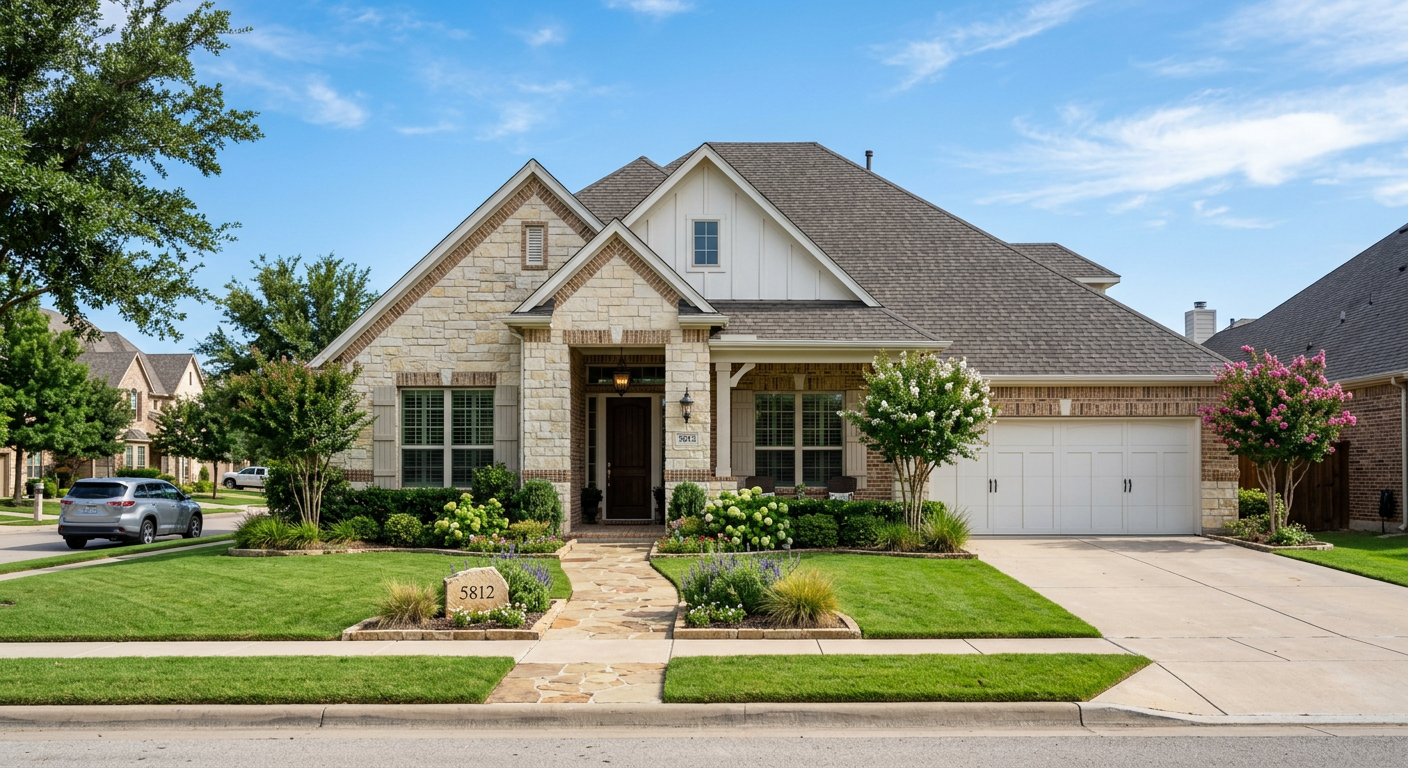
While you aren't the one swinging the hammer, your preparation can prevent mid-day stoppages. A clear workspace allows the crew to move faster and safer.
Clear the Driveway
Roofers need the driveway for the dumpster or the delivery truck. Moving your cars to the street the night before ensures the crew can start the moment they arrive.
Manage Pets and Children
The noise of a roof replacement can be stressful for animals.
The vibrations and sound of pneumatic nailers can reach high decibel levels inside the home.
- Plan to have pets in a quiet interior room or at a daycare for the day.
Check External Power Outlets
Most roofing tools are cordless, but air compressors often require a reliable power source. Ensure your exterior outlets are functional so the crew doesn't have to run cords through open windows or doors.
Common Delays in North Dallas Roofing
Even the best-laid plans can face hurdles. Being aware of these common North Texas issues helps you set realistic expectations for your project finish date.
-
Hidden Decking Damage: We often find rotted wood under old shingles that wasn't visible during the initial inspection.
-
Supply Chain Logistics: While we stock common colors, custom orders for designer shingles may have lead times.
-
Complex Flashing: Chimneys with crumbling mortar or unique architecture require hand-bent metal work that takes time.
-
Municipal Inspections: Some local North Texas cities require a mid-progress inspection by a city official before the final shingles are applied.
| Potential Delay | Time Added | Solution |
|---|---|---|
| Rotted Plywood | 2-4 hours | Keep extra decking on-site |
| Rain/Lightning | 4-24 hours | Monitor radar, tarp quickly |
| Missing Vents | 1-2 hours | Pre-order all hardware |
| Steep Slope | 3-6 hours | Use safety harnesses/ropes |
Why Quality Takes Time
It is tempting to hire the crew that promises to finish in four hours, but speed can lead to errors. A roof is a complex water-shedding system, not just a cosmetic layer. If a crew moves too fast, they might high-nail the shingles, which voids the manufacturer wind rating.
Flying Cow Roofing prioritizes a thorough installation over a rushed one. We use high-quality components like Malarkey Vista shingles, which are engineered for the hail and high winds we see in communities like McKinney and Wylie. Taking an extra three hours to ensure the valley flashing is perfect is an investment that prevents a decade of repair bills.
If you are curious about how the numbers add up for your specific home, use our roof cost calculator to get a preliminary idea of the investment required for your replacement.
Frequently Asked Questions
Can a roof be replaced in the winter in Texas?
Yes, roof replacements can happen in winter as long as the temperature is above freezing. Standard asphalt shingles need a bit of warmth to seal properly, but North Texas winters usually provide enough sun for this process to happen even in January.
Do I need to be home while the roof is being replaced?
You do not need to be home, but it is helpful to be reachable by phone. If the crew finds unexpected rot in the decking, they will need your approval to replace the wood before they can proceed with the new shingles.
What happens if it starts raining mid-project?
Professional crews monitor the radar constantly. If rain is imminent, they will stop installing new shingles and "dry-in" the exposed portion of the roof using heavy-duty tarps or synthetic underlayment to ensure your home stays dry.
Will the noise affect my neighbors?
Roofing is a loud process involving hammering and heavy machinery. It is a neighborly gesture to let those living closest to you know the dates of your project, especially if they have young children or work from home.
How do I know if the job was finished correctly?
A reputable company will perform a final walkthrough with you. They should show you photos of the completed work, particularly in hard-to-see areas like the ridges and valleys, and ensure that all nails have been swept from the lawn with a magnet.
If your roof is showing signs of age or has recently been through a North Texas hailstorm, don't wait for a leak to appear. Contact Flying Cow Roofing at (469) 902-0727 to schedule your professional assessment.
Disclaimer: This article is for educational purposes only. Flying Cow Roofing provides inspections, documentation, and written estimates; we do not file, negotiate, or adjust insurance claims. For specific insurance advice, consult a licensed public adjuster or the Texas Department of Insurance.
A note on insurance: This article is educational. Flying Cow Roofing does not file, negotiate, or adjust insurance claims for homeowners. Your carrier and your policy decide what is covered, and a licensed public adjuster can represent you if you want help with the claim itself. We inspect the roof, document what we find, and give you a written estimate you can share with anyone.