What roofing materials are best for my home? For a North Texas homeowner, the useful answer begins with the house itself. Roof slope, deck condition, ventilation, storm exposure, neighborhood rules, appearance, and ownership plans all affect the choice. Architectural shingles, impact-resistant shingles, standing-seam metal, and stone-coated steel can each be appropriate when the complete roof system fits the home.
This guide helps homeowners in Collin County and nearby North Dallas communities compare those options without treating one product as a universal winner. A roof inspection should come before the final selection because hidden deck damage, flashing details, and ventilation needs can change which system makes sense.
What Should I Check Before Choosing a Roofing Material?
- Roof structure: Confirm that the deck, framing, slope, and existing layers are suitable for the proposed system.
- Weather exposure: Consider hail, wind-driven rain, sun exposure, and nearby trees rather than choosing from appearance alone.
- Ventilation: Intake and exhaust ventilation should work together. A new surface material does not correct an unbalanced attic by itself.
- Neighborhood requirements: Review HOA or architectural rules before ordering a color, profile, or metal system.
- Insurance requirements: Ask your insurer what documentation it needs for any impact-rating consideration or policy discount.
- Written scope: Compare underlayment, flashing, ventilation, deck repairs, cleanup, and product details, not only the material name.
Are Architectural Shingles a Good Fit for My Home?
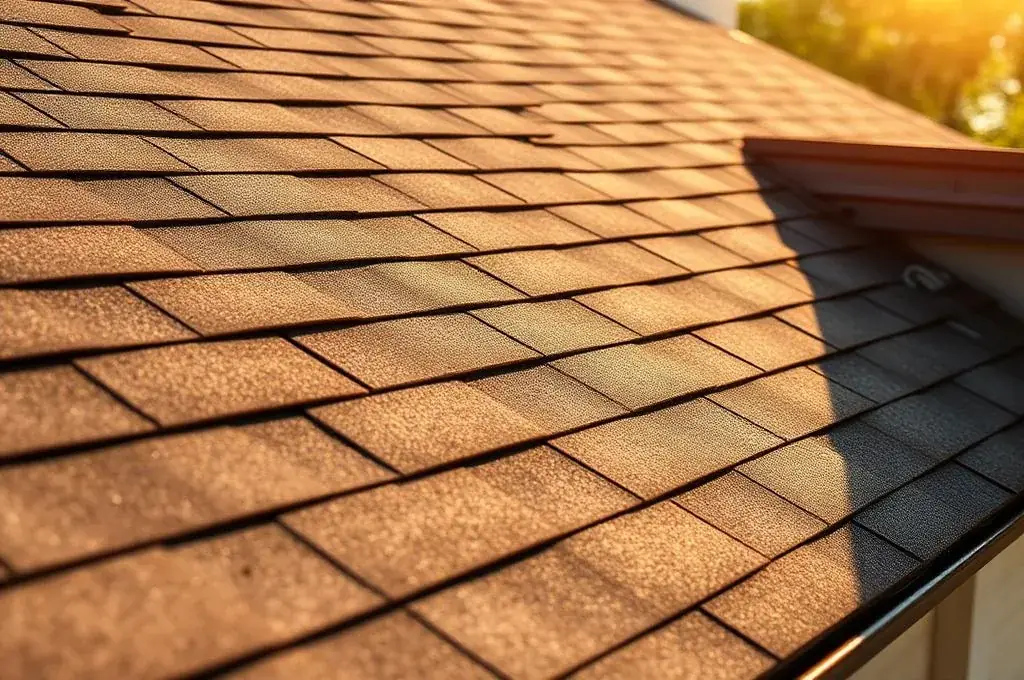
Architectural shingles are a familiar residential option with varied colors and dimensional profiles. They can suit homeowners who want a conventional appearance and a broad range of product choices. The product line and the details beneath it matter, so compare the complete proposed roof system rather than relying on the word "architectural."
Products to Compare
- Malarkey Vista: Review the current product data, available colors, impact classification, and written warranty terms for the exact shingle proposed.
- CertainTeed Belmont: Consider its dimensional profile, weight requirements, available colors, current product specifications, and written warranty terms.
Ask for the manufacturer, product line, color, underlayment, flashing approach, ventilation work, and accessories to be identified in the proposal. That makes two estimates easier to compare and reduces ambiguity about what will actually be installed.
When Should I Consider Impact-Resistant Shingles?
Impact-resistant shingles deserve consideration in a hail-prone region, but the rating must be tied to the exact product. Ask to see the current manufacturer documentation and understand what the classification does and does not promise. A laboratory rating does not make a roof hail-proof, and any roof can be damaged by a severe storm.
Do not assume a product will reduce your premium. Contact your insurance company before the installation and ask which ratings, forms, invoices, or proof of installation it requires. Flying Cow Roofing can document roof conditions and the installed materials, but coverage, claim decisions, and discounts belong to the homeowner and insurer.
Is Stone-Coated Steel Right for My Roof?
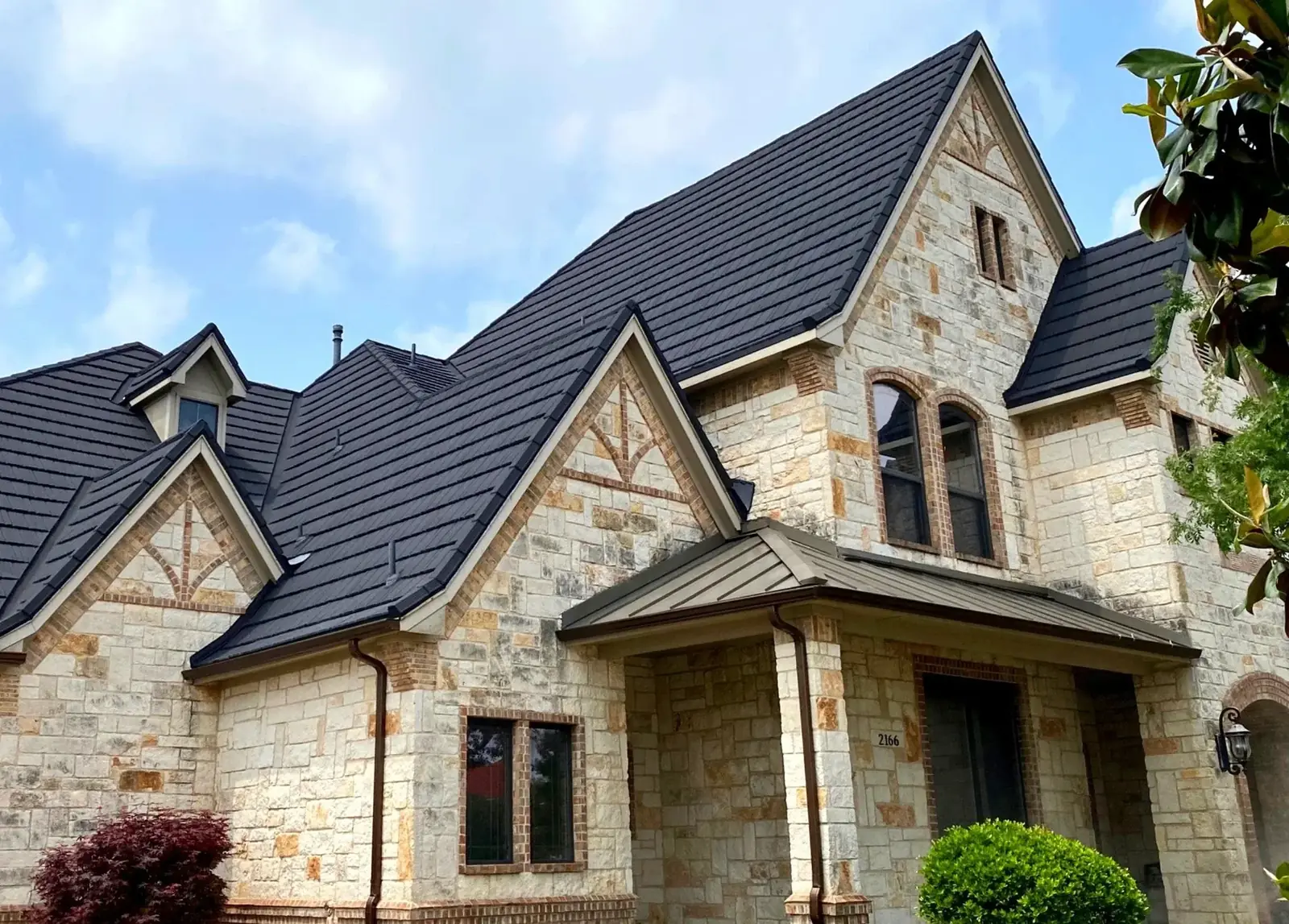
Stone-coated steelcombines a metal panel with a textured surface and is available in profiles that resemble shingles, tile, or shake. It may appeal to homeowners who want a metal-based system without the smooth appearance of standing seam.
- Confirm that the selected profile fits the roof slope and flashing details.
- Ask how valleys, penetrations, ridges, and transitions will be handled.
- Review weight and deck requirements for the specific system with the installer.
- Check HOA approval before selecting a profile or color.
- Read the current manufacturer warranty and maintenance instructions.
When Does Standing-Seam Metal Make Sense?
Standing-seam metal uses panels joined by raised seams, with many fasteners concealed from direct weather exposure. It may suit a homeowner who prefers a clean metal profile and is planning around long-term ownership. Panel gauge, coating, seam design, flashing, expansion, and installation quality should all be identified before comparing proposals.
Some metal surfaces can reflect more solar energy than darker conventional surfaces, but color, coating, insulation, attic ventilation, and the full assembly affect heat performance. The U.S. Department of Energy recommends evaluating the roof as part of the whole home rather than promising a specific energy saving from the surface alone.
How Do Heat and Ventilation Affect the Decision?
Roofing color and surface properties can influence solar heat gain, but the material is only one part of the system. Attic air sealing, insulation, and balanced intake and exhaust ventilation also matter. If an attic runs hot or holds moisture, evaluate those conditions before expecting a new roofing material to solve them. See our guide to energy-efficient roofing for North Texasfor a closer look at the whole-roof approach.
Which Roofing Material Matches My Priorities?
| Material | Often considered when | Questions to ask |
|---|---|---|
| Architectural shingles | You want a familiar residential look and broad color selection | Which exact product and complete system are included? |
| Impact-resistant shingles | Documented impact classification is a priority | What is the exact rating, and what does my insurer require? |
| Stone-coated steel | You prefer a textured profile with a metal base | How are penetrations, valleys, and transitions installed? |
| Standing-seam metal | You prefer a clean metal profile and concealed-fastener design | What panel, seam, coating, and flashing details are specified? |
How Do I Compare Roofing Proposals Fairly?
Put proposals side by side and compare the exact material, underlayment, flashing, ventilation, deck-repair process, accessories, cleanup, and written warranty terms. Ask who will confirm the roof structure and how unexpected deck conditions will be documented. A lower total is not a like-for-like comparison if essential parts of the roof system are missing from the scope.
Flying Cow Roofing can inspect the roof, explain visible conditions, and prepare options for a residential home in the service area. You can also compare metal and shingle roofingor review the differences between 3-tab and architectural shinglesbefore discussing a final scope.
Call (469) 902-0727 or request a free roof inspection to compare material options for your home.
Frequently Asked Questions
Frequently Asked Questions
Ready to Talk About Your Roof?
Flying Cow Roofing is a family-owned company right here in Farmersville, TX. We offer free, honest roof inspections, no pressure, no gimmicks.