
August 30, 2026
How Long Should a Roof Last in North Texas?
Most asphalt shingle roofs in North Texas last 15 to 20 years, well short of the 30 year rating on the wrapper, because hail and heat age them faster. Metal and stone coated systems stretch far longer. Ventilation and storm history decide where your roof lands in that range.
Key Takeaways
- North Texas hail and heat typically cut an asphalt roof's life to 15 to 20 years.
- Impact resistant shingles such as Malarkey Vista hold up better through hail season.
- Poor attic ventilation can shave years off any roof, regardless of the shingle grade.
- Metal and stone coated systems commonly run 40 years or more here.
- Age plus a documented storm history matters more than the number printed on the warranty.
Rated Life Versus Real Life
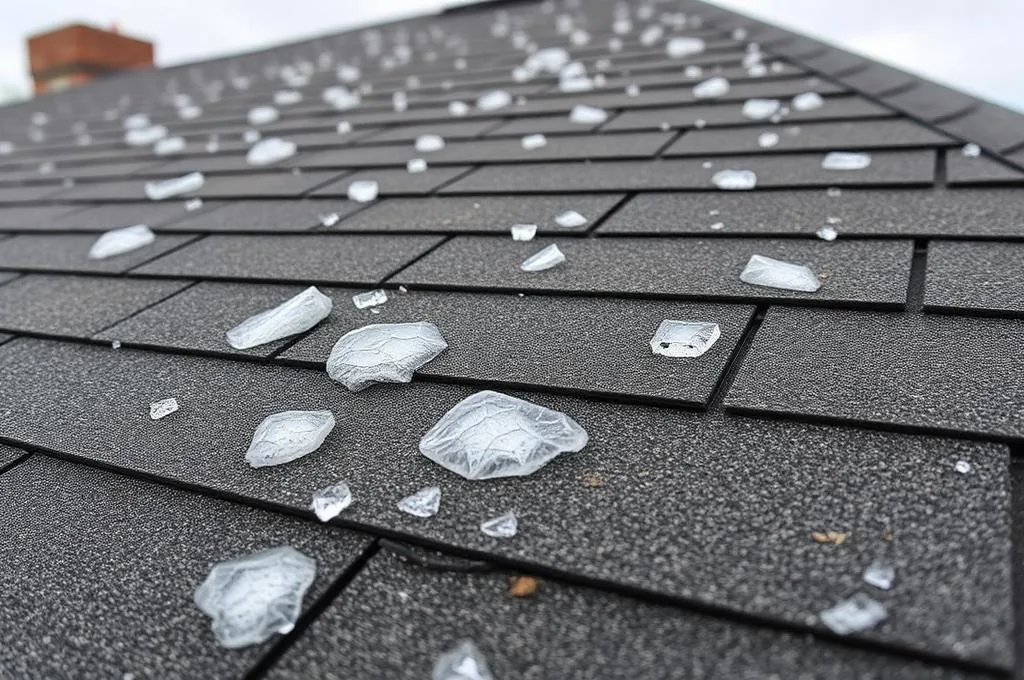
Shingle warranties are written for average conditions. North Texas is not average. We get long stretches of triple digit heat, sharp temperature swings, and a hail season that visits Collin and Hunt counties on a regular schedule.
The result is simple. A shingle rated for 30 years often gives you 15 to 20 here, and the last few of those years are usually spent patching.
| Roofing System | Typical Life in North Texas | Best Fit |
|---|---|---|
| Three tab asphalt | 12 to 15 years | Budget replacement |
| Architectural asphalt | 18 to 22 years | Most homes |
| Impact resistant asphalt | 20 to 25 years | Hail prone neighborhoods |
| Standing seam metal | 40 to 50 years | Long term ownership |
| Stone coated steel | 40 to 50 years | Premium curb appeal |
Why the Range Is So Wide
- Slope and sun exposure change how fast granules break down.
- Attic ventilation controls the heat load cooking the shingles from below.
- Installation quality, especially flashing and nailing, sets the failure points.
- Storm history determines whether the roof ever gets a full reset.
What Shortens a Roof in Collin and Hunt Counties
Hail
Hail bruises the mat under the granules. The roof may look fine from the street and still be compromised. Two or three seasons later those bruises open into leaks.
Heat and Ventilation
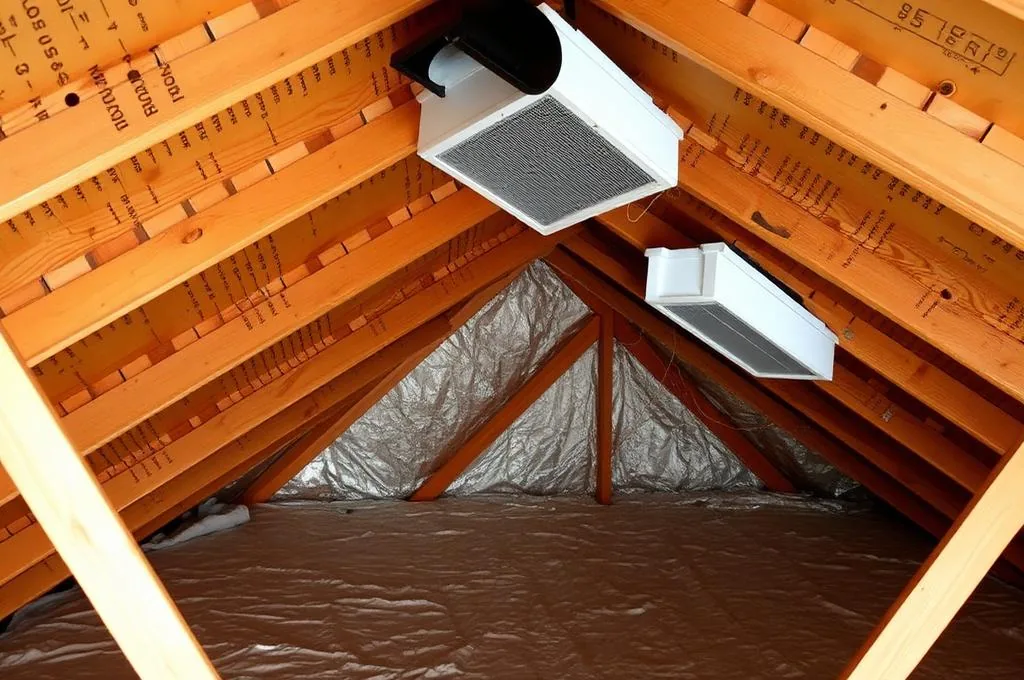
An underventilated attic in Farmersville can push well past 150 degrees in July. That heat bakes the asphalt, dries out the oils, and curls the edges early. Balanced intake and exhaust is the cheapest life extension available.
Installation Shortcuts
Reused flashing, high nails, and skipped starter strips are invisible on day one. They show up as leaks around chimneys, valleys, and wall transitions in year five.
Not sure where your roof stands? Schedule a free roof inspection and get photo documentation of the actual condition.
Signs Your Roof Is Near the End
- Granules collecting in gutters and at downspout splash blocks.
- Shingle edges curling or corners lifting on sunny elevations.
- Dark bruises or dents you can feel with a fingertip after a hailstorm.
- Daylight visible through the roof deck from inside the attic.
- Repeated repairs in different areas within the same year.
- Neighbors on your street replacing roofs from the same storm.
When Repair Still Makes Sense
- Damage is confined to one slope or one flashing detail.
- The roof is under 12 years old and has no widespread hail bruising.
- The decking is dry and solid underneath.
One Caveat
If a repair costs more than about a third of a replacement, put the money toward the new roof instead.
How to Add Years to the Roof You Have
- Get a documented inspection after every significant hail event.
- Keep gutters clear so water leaves the roof instead of sitting at the edge.
- Fix ventilation imbalances before they cook another summer's worth of shingles.
- Trim limbs that scrape shingles and drop debris in valleys.
- Choose impact resistant shingles at replacement time if you live in a hail corridor.
For a deeper look at pricing and material tiers, see how to get multiple roofing estimates or our roof replacement page.
Frequently Asked Questions
How long does a shingle roof last in Texas?
Plan on 15 to 20 years for architectural asphalt in North Texas. Hail and heat usually retire a roof before the warranty term ends.
Does a 30 year shingle really last 30 years?
Rarely here. The rating reflects material durability under average conditions, not a Collin County hail season.
Do impact resistant shingles last longer?
Generally yes. A class four impact rated shingle such as Malarkey Vista resists hail bruising better and often adds several years of service.
How do I know my roof's age?
Check closing documents, permit records for your address, or ask a roofer to date the shingle from its profile and weathering pattern.
Is metal worth the extra cost?
If you plan to stay 15 years or more, often yes. Standing seam and stone coated steel commonly run 40 years or more in this climate.
Wondering how many years your roof has left? Contact Flying Cow Roofing for a documented inspection and a straight answer.
A note on insurance: This article is educational. Flying Cow Roofing does not file, negotiate, or adjust insurance claims for homeowners. Your carrier and your policy decide what is covered, and a licensed public adjuster can represent you on the claim itself. We inspect the roof, document what we find, and give you a written estimate you can share with anyone.