
September 14, 2026
How Do You Repair a Flat Roof on a House?
Repairing a flat roof means finding the defect, cutting back to dry material, drying or replacing any wet insulation underneath, and bonding a compatible patch over the opening. If the insulation below is saturated, no surface patch will hold, and the wet material has to come out first.
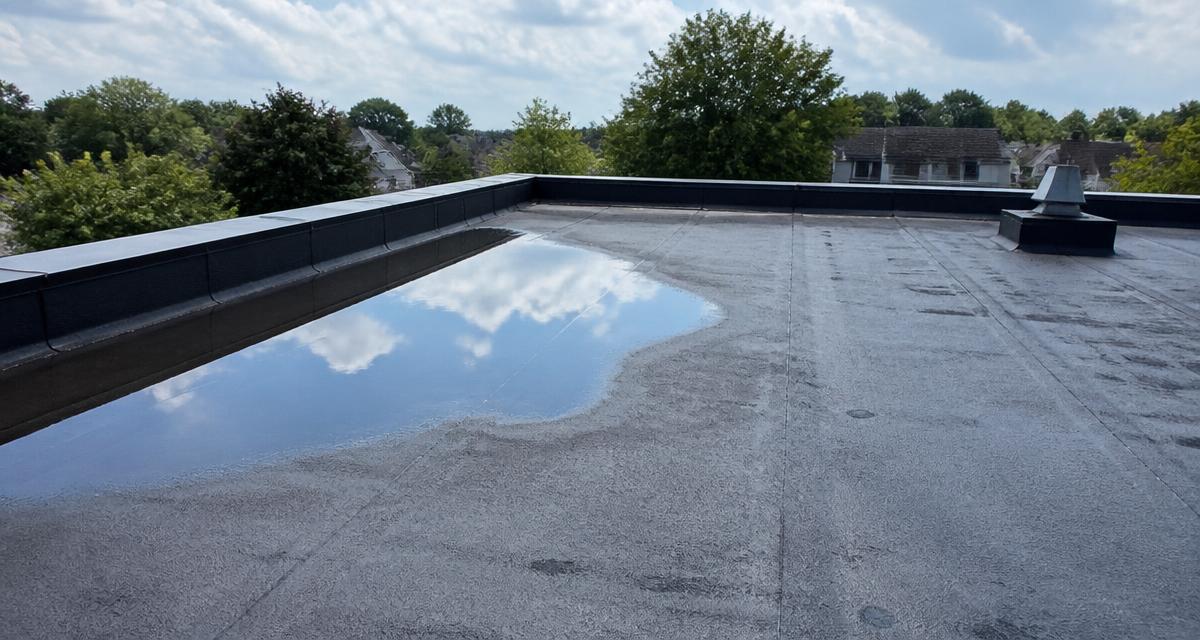
Truly flat roofs are rare on North Dallas homes. What we actually work on are low slope sections: patio and porch covers, additions, garage tops, and the flat behind a parapet on a modern build. The physics are the same.
Key Takeaways
- Low slope roofs fail at seams, edges and penetrations far more than in the field.
- Ponding water that lingers past 48 hours is a drainage fault, not a patching job.
- A blister that is not leaking should be assessed, not automatically cut.
- Wet insulation has to be removed. Roofing over it guarantees a repeat failure.
First identify what you have
| Material | How it looks | Repair method |
|---|---|---|
| EPDM | Black rubber sheet | Primer and cured rubber patch |
| TPO | White or grey, stiffer sheet | Heat welded patch |
| Modified bitumen | Rolled sheet, often granulated | Torch or cold applied patch |
| Built up, tar and gravel | Gravel surface over layers | Layered mastic and membrane |
| Sprayed foam | Seamless, slightly textured | Foam fill and coating |
Using a repair method from the wrong column is the most common reason a flat roof repair fails inside a year.
The six things that usually fail
- Seams. Where two sheets lap. The first place to check.
- Penetrations. Vent pipes, condensate lines, and especially air conditioning stands on garage tops.
- Perimeter edge and parapet wall details. Water gets behind the termination.
- Ponding areas. Standing water degrades the surface and finds the weak point.
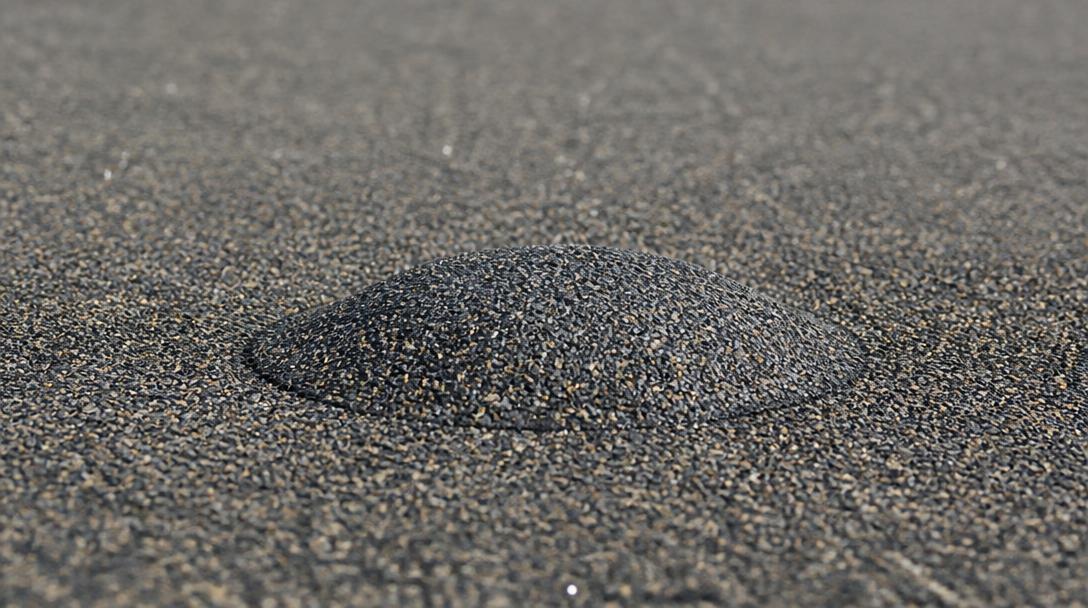
- Blisters. Trapped air or moisture between layers, expanding in Texas heat.
- Punctures. Dropped tools, ladder feet, limbs after a storm.
How the repair is done
- Find the defect properly, with a hose test working from the low point upwards.
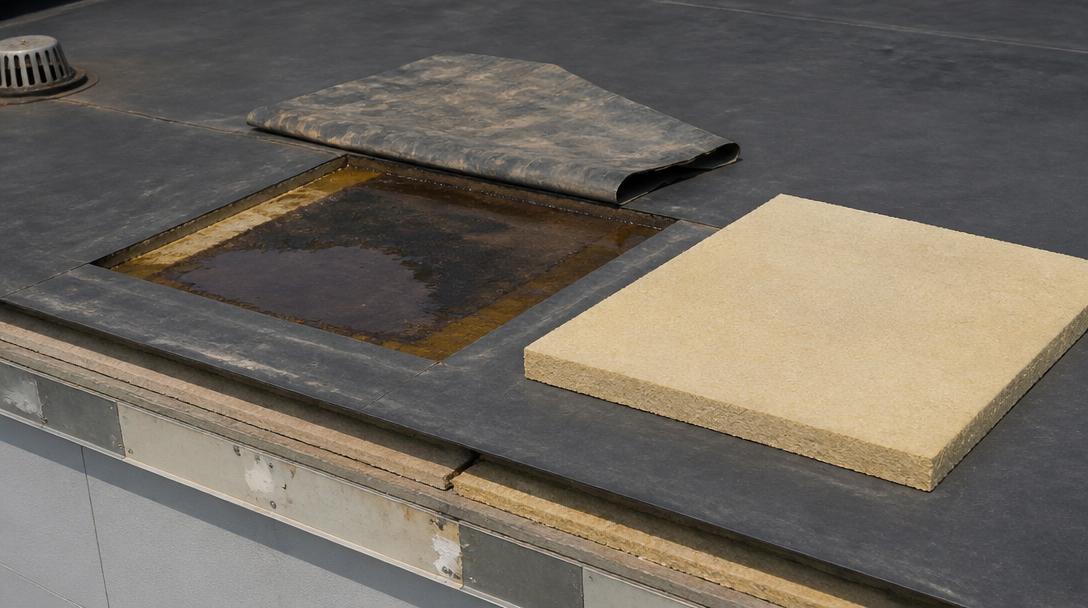
- Cut a small test opening to check whether the insulation under the defect is wet.
- Remove all saturated insulation and let the deck dry.
- Replace the insulation with matching thickness so the surface stays flush.
- Clean and prime the surrounding membrane.
- Bond a compatible patch with rounded corners, extending several inches past the repair.
- Seal the patch edges with the correct lap sealant.
Blisters
A blister is trapped moisture or air. If it is intact and not leaking it can often be left and monitored, because cutting it opens a sound membrane. If it is soft, split, or spreading, it is cut in a cross, folded back, dried, re-bedded and patched over.
Ponding
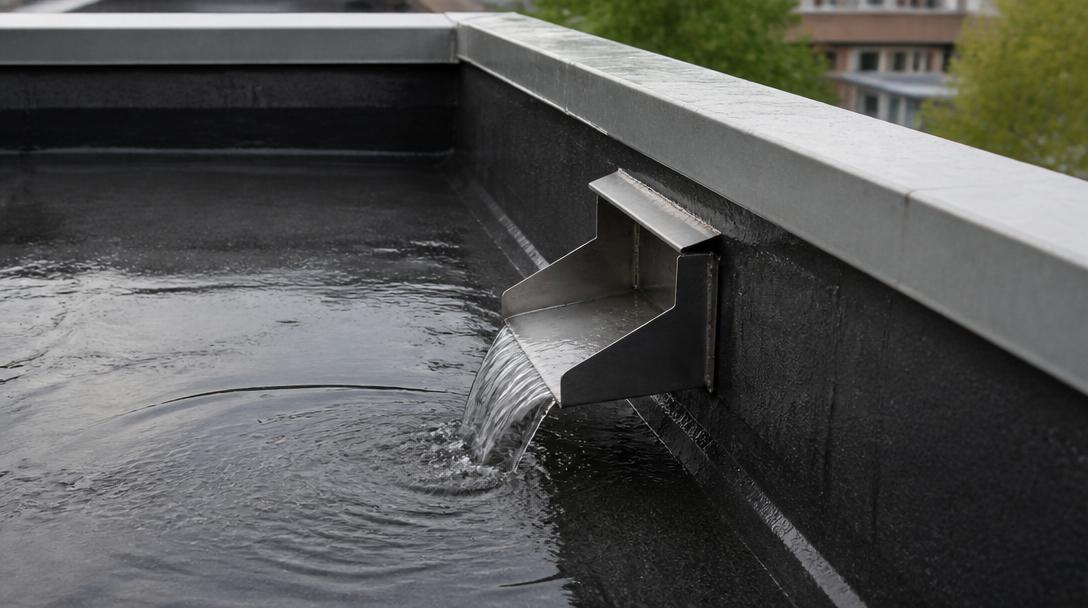
Standing water is a design fault. It is corrected with tapered insulation to create fall, by clearing or adding a scupper or drain, or by re-covering the section with correct slope. No patch fixes ponding, and ponding will keep breaking your patches.
Costs in North Dallas
| Work | Usual range |
|---|---|
| Single patch | 300 to 700 dollars |
| Seam repair | 500 to 1,200 dollars |
| Blister cut and patched | 350 to 800 dollars |
| Wet insulation removed and replaced | 12 to 20 dollars per square foot |
| Full re-cover of a residential section | 8 to 16 dollars per square foot |
| Tapered insulation to fix ponding | Add 3 to 6 dollars per square foot |
When to stop repairing
Re-cover instead of repair when there are leaks in three or more places, when the membrane is brittle and chalky throughout, when a quarter or more of the insulation is wet, when the section is past twenty years, or when you have paid for repairs two years running. At that point the repairs cost more per year than the new assembly would.
For the wider decision between fixing and replacing, our new roof versus repairs guide is a good next read.
What this looks like on a Collin County home
Low slope and flat sections are common here on rear additions, patio covers and the flat roofs over garages in older Plano and Richardson neighbourhoods. Three local conditions shape how those sections fail.
| Local condition | Effect on a flat section | What we look for |
|---|---|---|
| Spring hail | Bruises and punctures the membrane without the obvious granule loss you get on shingles | Chalk marks over soft spots, photographed with the storm date |
| Long summer heat | Repeated expansion and contraction opens seams and lifts edge metal | Seams, terminations and wall flashings |
| Heavy short downpours | Drainage that just about copes normally backs up and ponds | Scupper and drain flow, standing water 48 hours after rain |
Because these three arrive in the same year here, a flat section in Collin County usually needs a look after every significant storm rather than once a decade. If the storm was recent, the roof storm damage checklist walks through what to document first, and roof repair explains how we handle the repair itself.
Frequently Asked Questions
Can you repair a flat roof in the rain?
No lasting repair bonds to a wet surface. An emergency tarp or temporary cover buys time until the surface is dry.
Why does my flat roof leak in one spot but stain somewhere else?
Water travels between the membrane and the insulation before it reaches the deck opening. The stain inside is frequently several feet from the actual defect.
How long should a flat roof section last in Texas?
Roughly twenty to twenty five years for a well drained membrane. Sections that pond water fail considerably earlier.
Is a coating a permanent repair?
A silicone or acrylic coating over a sound membrane extends its life. Over a failing or wet assembly it hides the problem and traps moisture.
Can hail damage a flat roof?
Yes. It bruises and punctures membranes, and the damage is harder to see than on shingles. After a significant storm, get it inspected and photographed with the storm date, then let your carrier decide on coverage.
Get the flat section inspected
Flying Cow Roofing is a family run residential roofer in Farmersville, working across Plano, Frisco, McKinney, Allen and the North Dallas area. Call (469) 902-0727 or book a free roof inspection and you will get photographs and a straight answer on patch, re-cover, or drainage.